1.5kW-12kW: How to Select the Right Fiber Laser Cutter Power for Your Metal Fabrication Shop
2026-08-21
Choosing the correct fiber laser power is one of the most critical buying decisions for any metal-working workshop. Power level defines maximum cutting thickness, processing speed, edge finish, and long-term operational expenses. Many fabricators fall into two common traps: over-investing in excessive power that sits idle for thin-sheet jobs, or picking under-powered units that create production bottlenecks and missed order opportunities.
> Core selection principle: Base your power choice on the thickness of materials you process most frequently. Rare thick-plate orders should not be your primary reference point. Balance upfront investment and ongoing running costs for sustainable ROI.
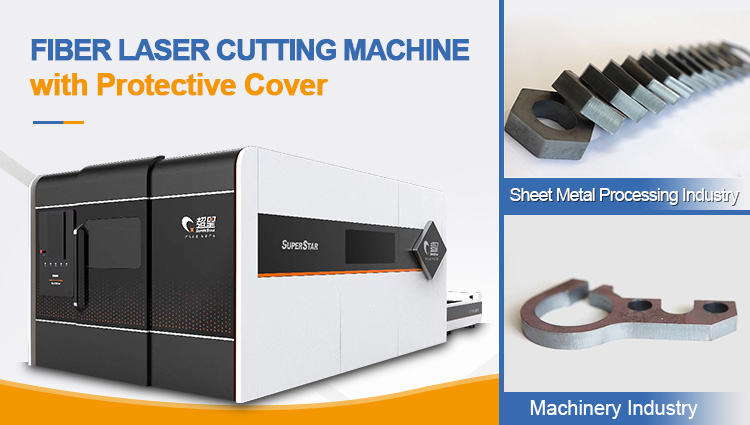
Why Laser Power Matters for Your Workshop
Laser wattage impacts four key production dimensions:
1.Cutting capacity:
Determines the maximum material thickness you can process consistently.
2. Production efficiency:
Higher power delivers faster cutting and piercing speeds for the same sheet thickness.
3.Cut quality:
Mismatched power causes dross, burrs, over-burning and rough cut edges, increasing post-processing grinding work.
4. Total operating cost:
Higher power brings higher machine purchase price, electricity consumption, gas usage and laser source maintenance fees.
|
Laser Power |
Mild Steel (Oxygen) |
Stainless Steel (Nitrogen) |
Aluminum |
Best Fit Workshop Scenarios |
|
1.5 kW |
≤10 mm |
≤6 mm |
≤4 mm |
Small sheet metal shops, cabinet & chassis parts, sign hardware, low-to-medium output, limited capital budget |
|
3 kW |
≤16--20 mm |
≤10 mm |
≤8 mm |
General purpose metal fabrication shops. Mixed thin & medium-thickness orders, the most cost-effective mainstream option |
|
6 kW |
≤22--25 mm |
≤15--20 mm |
≤12 mm |
Mid-size fabrication factories. Wide thickness range, fast thin-sheet output plus regular medium-plate production, highly versatile for subcontract workshops |
|
12 kW |
≤30--40 mm |
≤25--30 mm |
≤18 mm |
Large-scale industrial fabricators. Frequent thick-plate batches, structural steel components, high-volume mixed-material production |
A common industry pain point: workshops only reference theoretical maximum cutting thickness when purchasing. Buying a high-power machine for mostly thin-sheet work raises per-part cost. Conversely, insufficient power slows down throughput and prevents you from accepting profitable jobs.
Practical Cutting Performance: 1.5kW-12kW Power Range
Note: Data shows stable mass-production capacity, not lab-tested extreme limit thickness. Oxygen for mild steel, nitrogen for stainless steel cutting.
Four Key Questions Before You Decide Laser Power
1. Analyze your order mix (top priority)
Review order records from the past 3-6 months:
- What thickness accounts for 80 % of your regular jobs? This is your baseline for power selection.
- What materials do you mostly process: mild steel, stainless steel, aluminum or high-reflective alloys?
2. Production volume
Higher power speeds up cycle time and boosts daily output when your order book is full. If your workshop runs with low machine utilization, over-spec power will only increase fixed costs.
3. Full-cost calculation
- Capital expenditure: Machine price rises significantly with laser power.
- Running expenditure: Electricity, assist gas consumption and spare-part maintenance all increase for higher-wattage lasers.
Even though a 12 kW machine cuts 2 mm thin sheet quickly, its energy and gas overhead will erode profit margins if thin sheets dominate your workflow.
4. Site infrastructure compatibility
High-power fiber lasers demand heavier workshop power supply, industrial air compressors, gas storage and pressure-stabilizing systems. Confirm your factory electrical capacity before ordering a 12 kW unit to avoid under-performance at full power.
Quick Power Recommendation by Business Profile
- 1.5 kW: Start-up shops & small fabricators focusing on thin-gauge metal, seldom cutting material thicker than 8 mm, priority on low initial investment.
- 3 kW: Industrial entry-level workhorse for most small-to-medium metal shops, balances thin-sheet speed and medium-plate capability with strong overall value.
- 6 kW: Golden configuration for mid-sized subcontract factories. Fast thin-sheet cutting together with reliable medium-plate batch processing, expands your job-taking capability.
- 12 kW: For heavy-duty structural fabrication, engineering-part manufacturers where 15 mm+ plates are regular production items.
Common Laser-Power Selection Mistakes to Avoid
Rely only on manufacturer-quoted maximum thickness figures: those are lab trial results, not realistic mass-production standards.
Blindly chase higher power: For thin-sheet-dominated workflows, extra wattage does not equal extra profit, it increases operating expenses.
Size your machine based on one-off thick-plate orders: Occasional heavy-plate work can be outsourced instead of over-specifying your whole machine.
Practical tip: Request sample cutting tests using your actual frequently-used sheets. Evaluate real-world cutting speed, burr formation and edge quality before finalizing your purchase.
Final Thoughts
From 1.5 kW up to 12 kW, fiber laser options cover small sign-fabrication workshops all the way to heavy-duty industrial metal factories. Do not chase maximum parameter numbers. Match laser wattage to your real-world order thickness, material types and daily production volume. When power fits your business reality, you maximize productivity, secure good cut quality and protect your profit margin.
If you are unsure which power suits your workshop, send us your typical material thickness and sample drawings for professional machine recommendations.